internet, free society and the short escape from capitalism
Interent dreams of freedom: Technology have always ACCELERATED CONCENTRATION power. The network was an anomaly and internet the end of that dream
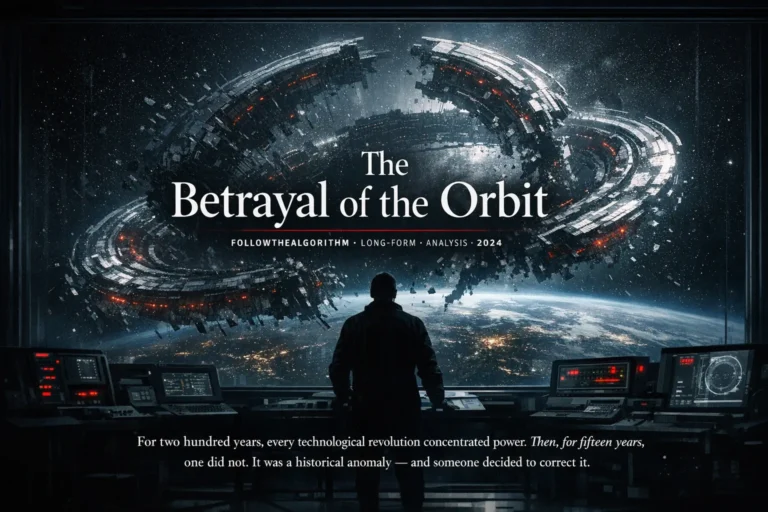
Interent dreams of freedom: Technology have always ACCELERATED CONCENTRATION power. The network was an anomaly and internet the end of that dream

Wild Wild Web traces the collapse of the “open internet” myth: while we celebrated freedom, platforms enclosed the commons. Search, feeds, and cloud became private jurisdictions. Google, Meta, and Amazon shape visibility and access—sovereign power without a mandate.
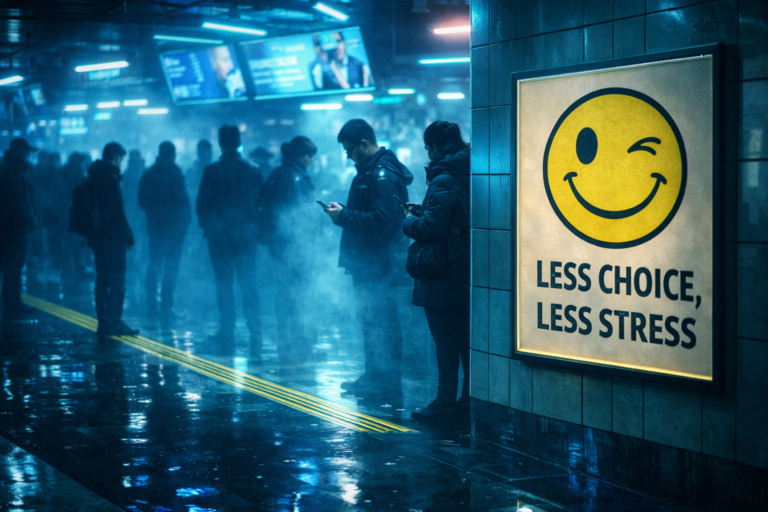
Open any feed and you can predict the post before reading it: format, cadence, emotion. That “fluency” is engineered capture. Platforms standardize the container, and algorithms reward reaction over thought. Agency returns when we change the protocol. Add friction, add context, remove autopilot. Now

Anthropic is caught in a public clash with the Pentagon: Claude runs inside classified environments through Palantir, where guardrails can’t be audited and accountability dissolves. With supply-chain threats and economic leverage, the real battle is over invisible logs.
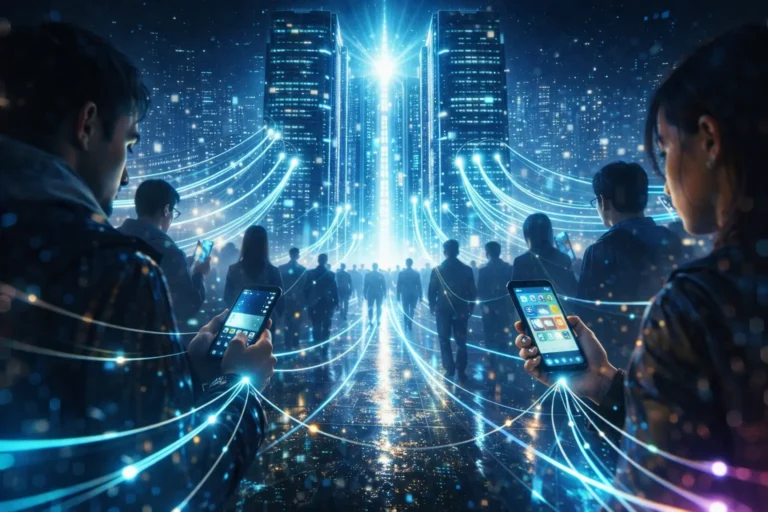
Network Power is the force that comes from being connected and indispensable. It doesn’t order you to stay on WhatsApp or Google, but makes leaving socially dysfunctional: you vanish from the flow, lose the rhythm, become peripheral. The network lets you leave, but makes you pay with isolation.

Social media reorganized information, but LLMs do something more radical: they participate in thought production itself. They’re not environments we navigate, but cognitive tutors we co-think with. This transformation introduces unprecedented and more subtle power dynamics.
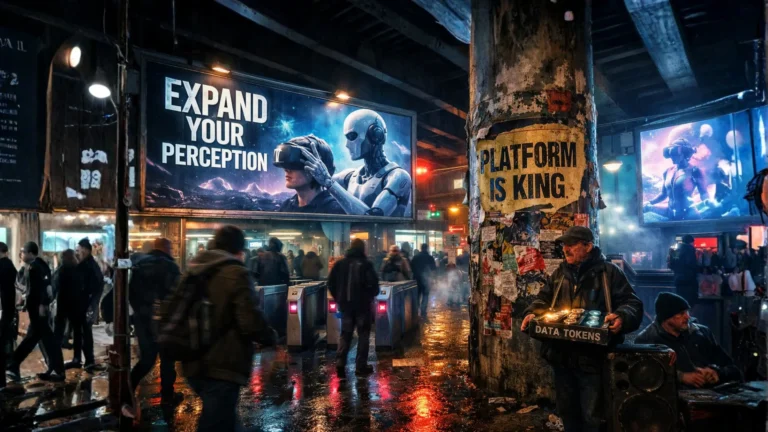
We dismiss likes as vanity metrics, but they were the emotional rewards driving interaction. Today, collapsed organic reach and information overload have broken that loop. When we talk about “meaningful interactions” we accept the platform defines what meaningful is. Content remains, but Platform is King.

DEUS MACHINA follows Ilya Lichtenstein: the biggest crypto heist (Bitfinex), 119,754 BTC, six years of laundering via mixers and gift cards, and the fatal paradox—Bitcoin’s blockchain as permanent memory. Arrest, trial, release, and the controversy that followed.
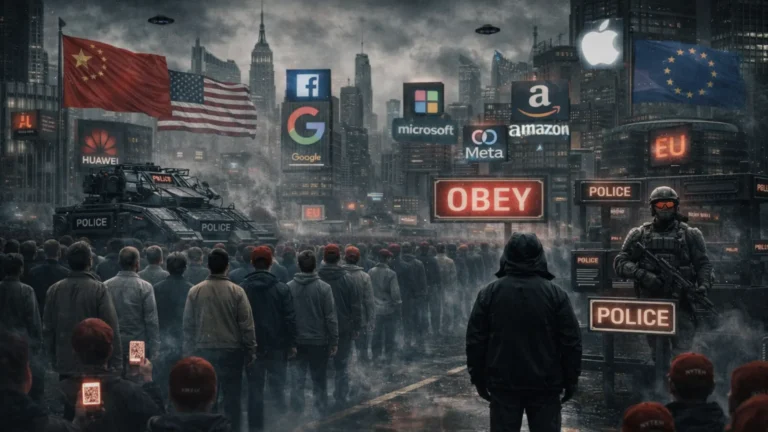
American authoritarianism is moving from exception to infrastructure: facial recognition, data-fusion platforms (Palantir), mobile biometric scans, and long-term watchlists. Executive power turns speech and associations into “risk,” enabling visa revocations and deportations without due process.
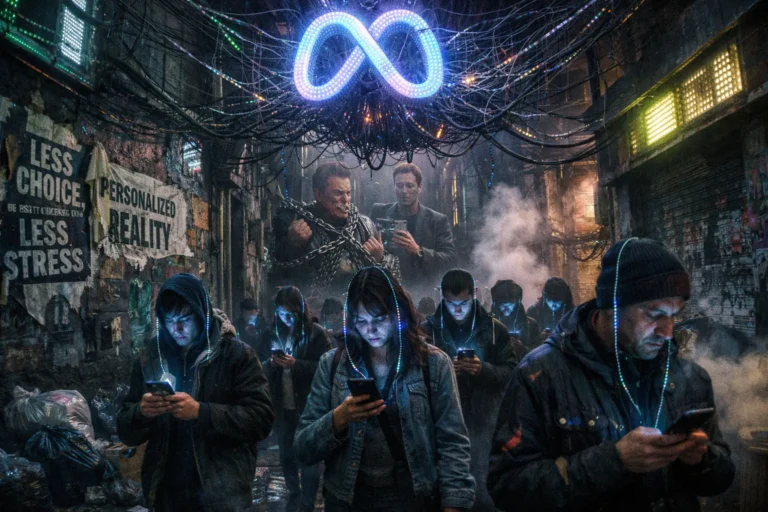
January 2026: Threads surpasses X in daily mobile active users. This isn’t a “better Twitter” story—it’s Meta’s ecosystem at work: Instagram onboarding, cross-app funneling, engineered algorithmic FOMO, and self-preferencing. The DMA is the first real attempt to break lock-in and leveraging.
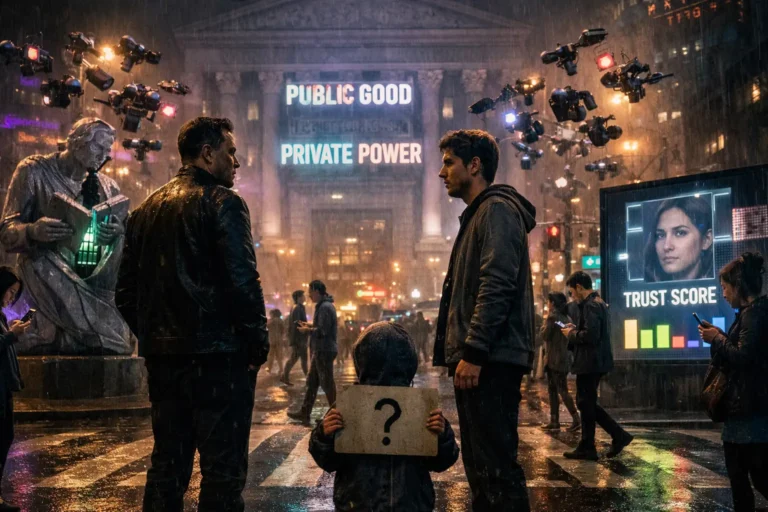
Musk vS OpenAI isn’t just billionaire drama—it’s a stress test for AI governance. Can a nonprofit morph into a $500B empire without betraying its mission? Microsoft’s cloud becomes leverage, while invisible workers pay the hidden cost. Trial starts April 27.
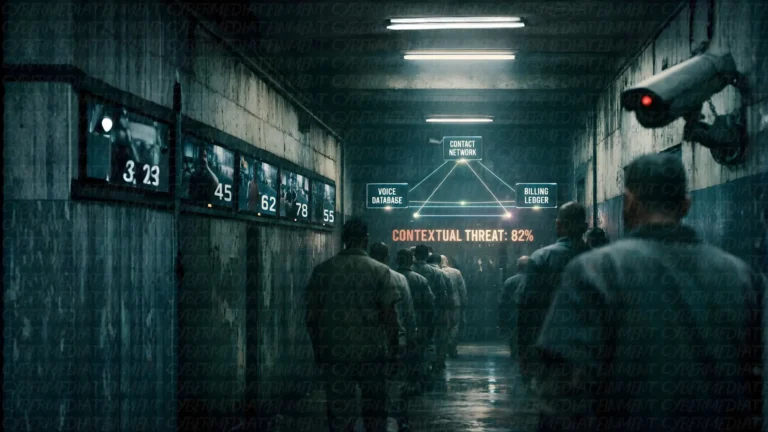
Securus Like MINORITY REPORT: The Evolution of Algorithmic Surveillance in American Prisons What is algorithmic surveillance? In Philip K. Dick’s story that inspired Minority Report, a predictive system allowed authorities to arrest people before a crime. That dystopia is now reality inside American prisons. Securus Technologies has trained Artificial Intelligence on years of incarcerated people’s communications and,…
Gennaio 2026: 17,5 milioni di profili Instagram circolano gratis sul dark web. Meta minimizza, gli utenti ricevono reset reali, i mercati restano calmi. Non è un “breach”: è la prova di un sistema che assorbe scandali e li trasforma in rumore, grazie a lock-in, dipendenza e asimmetria informativa.
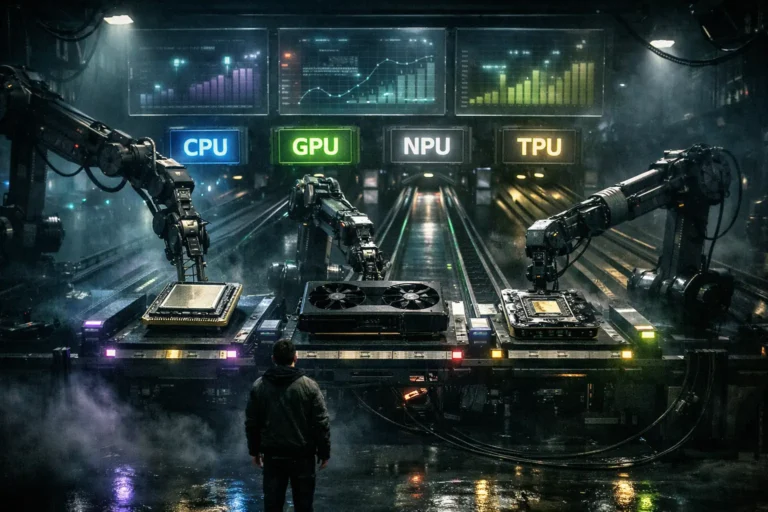
The Revolution of Logical Architectures How we moved from a universal CPU to specialized processors — and why this fracture is power CPU: Seventy years of stability, ten years of revolution From 1945 to 2005, computing was dominated by a single fundamental architecture: the CPU (Central Processing Unit) based on the stored-program model. For sixty years, every…
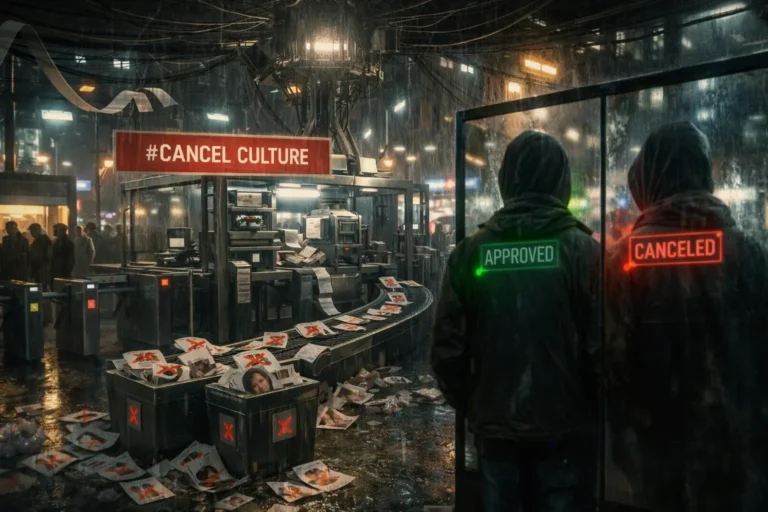
From ancient ostracism to digital vigilantism, cancel culture runs on engagement-optimized algorithms. Virality replaces due process, memory becomes permanent, platforms monetize polarization and remain effectively un-cancelable.
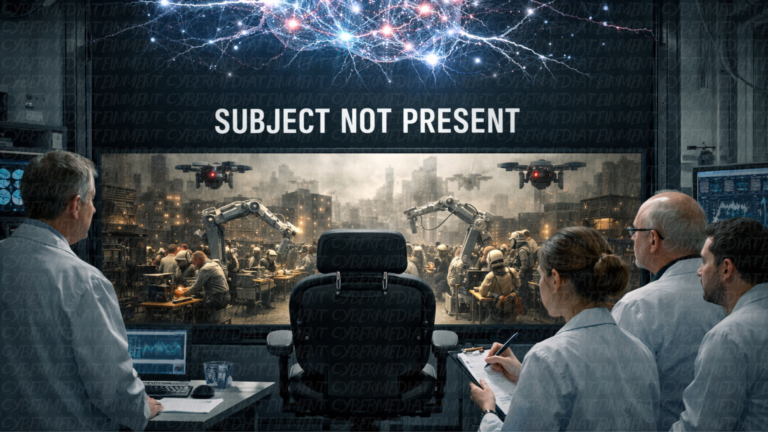
Neural networks don’t “think”: they optimize probabilities. From perceptrons to transformers, from embeddings to tokenization, this article shows how AI turns language into infrastructure—and control. Energy costs, bias, oligopoly: the hidden price of deep learning.

Machine Learning: The Social Ontology Embedded in Code Machine learning, real-world cases, and the politics hidden behind technique The Democratic Promise and the Asymmetric Reality Arthur Samuel defined machine learning as “the ability of a machine to learn without being explicitly programmed” — a phrase that carries a seductive, almost emancipatory resonance. The idea of machines that…

SOCIAL METRICS: the rule of control The invisible architecture engagement social: a new structure of power Social metrics don’t just describe reality: they produce it. They are the infrastructure platforms use to measure social engagement, attention, and behavior—and then weaponize that measurement to decide visibility, distribution, and value. When a metric changes weight, the culture a platform…

Algorithms Decoded traces the history of algorithms from Leibniz to machine learning, showing how a mathematical abstraction became an infrastructure of power: social sorting, surveillance capitalism, algorithmic governmentality and digital labour.
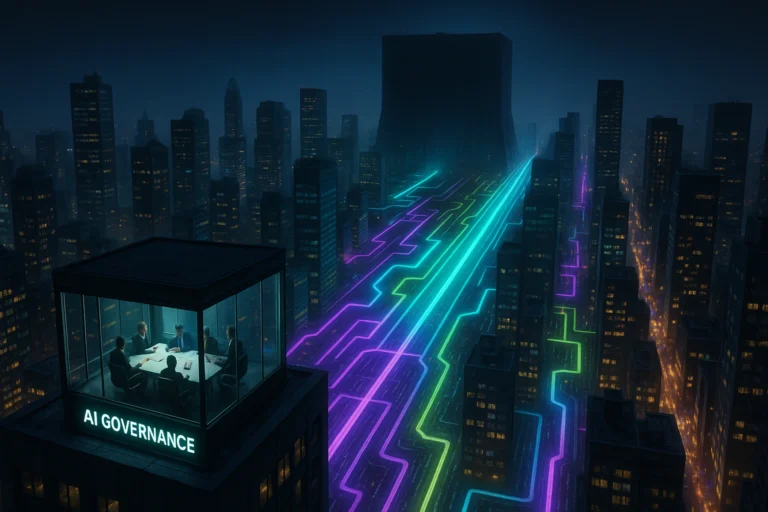
data power: From Foucault to Castells, this piece maps how AI governance fails in a platform society ruled by chips, clouds and export controls. Forget summit theatre: real power sits in Nvidia, TSMC, hyperscale data centers and the planetary Stack that shapes our lives.

tiktok algorithm and the attention machine: how it works and how scroll make us into passive information nodes

Denmark and Australia sell social media bans as child protection. In reality they intensify FOMO, push minors into darker corners of the web and free platforms from redesigning addictive, harmful algorithms.

Drowned in feeds and notifications, we post and scroll compulsively without building real knowledge. This essay explores informational noise, algorithmic inequality and self-exploitation in the network society.
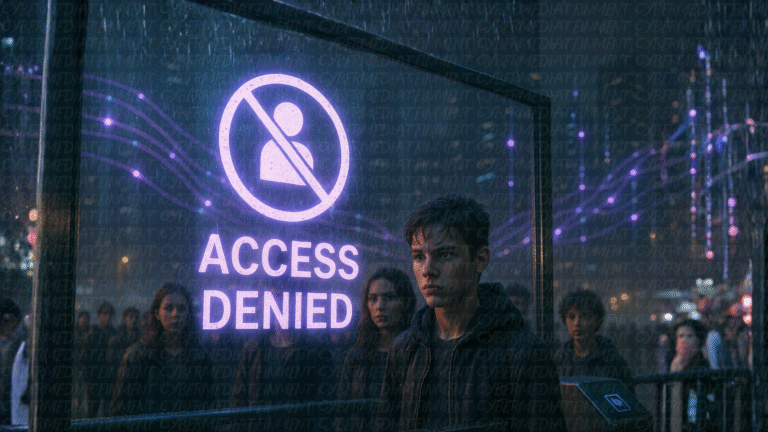
Australia’s social media ban for under-16s hits the wrong target. South Korean precedent proves it: bans don’t work, youth bypass restrictions. The real problem isn’t access, but platforms’ proprietary architecture: addictive algorithms, targeted advertising, manipulative design. Regulate the system.
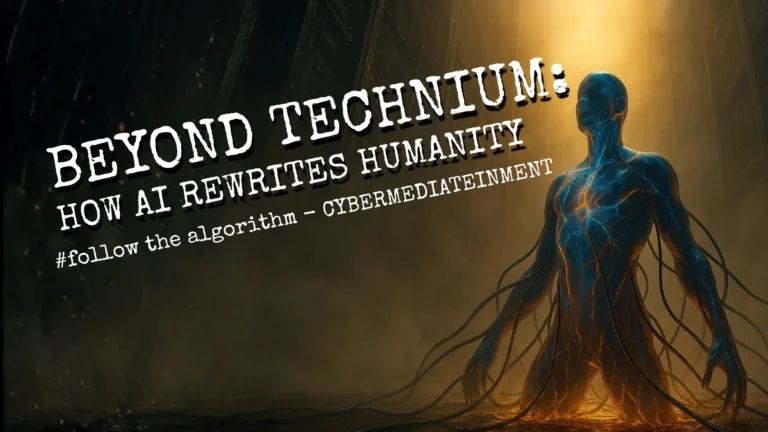
Beyond technological determinism and human control: the relationship between technological and biological architecture generates an emergent third system. From McLuhan to Minsky, from Kelly to Zuboff, an analysis of human transformation in the AI era. We’ve become mindless agents of a profit-driven hive.
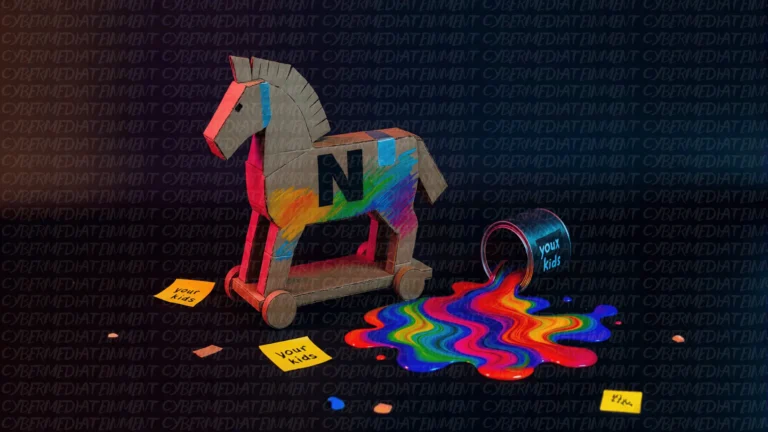
October 2025: 26 Musk posts against Netflix cause $25B volatility. The problem isn’t that Musk has power—it’s that we can finally see it. Before, it existed behind opaque algorithms and anonymous committees. Analysis of techno-oligarchic power and digital institutional void.

Big Tech: Social Control and Political Subservience Big Tech under scrutiny. A letter stamped by Congress and an already-scheduled date — October 8, 2025 — lined up four “community-centric” platforms: Reddit, Discord, Steam, and Twitch. House Oversight Chair James Comer says he wants to understand how to prevent online “radicalization” and “political incitement” after the killing of…
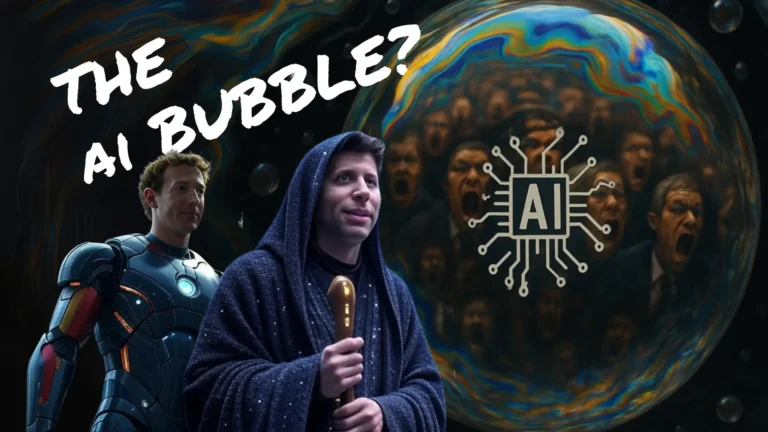
The clash between Mark Zuckerberg and Sam Altman defines today’s AI bubble. Meta invests in infrastructure and compute, while OpenAI builds on mission and cultural momentum. Two contrasting strategies reveal how speculation and ambition are reshaping AI’s future and our daily lives.

AGI is not a file or a single model: it’s an embodied, distributed system where hardware, software and networks form a cognitive body. From Turing to media ecology, this essay examines coherence, “cognitive energy,” and accountability in the design and deployment of AI.

outraged or programmeed? Scroll. Like. Share. Outrage. But have you ever wondered whether the conscience you feel is truly yours — or handed to you, ready-made? Follow The Algorithm cracked something I thought was solid. It talks about Palestine, yes — but not the geopolitical one; the one flooding our feeds: protests, carousels, drone shots with a…
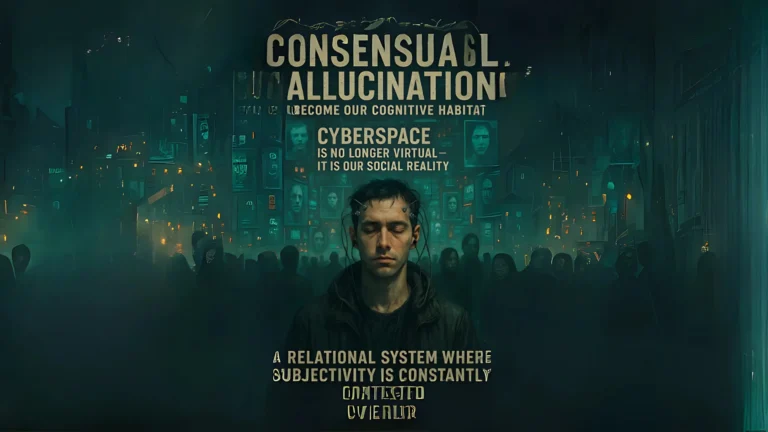
Algorithmic Subjectivity and the Society of Control 1.The Illusion of Choice Welcome to the algorithmic age We live in digital environments that promise freedom, personalization, and unlimited connectivity. But every time we scroll through a feed, click on a link, or listen to an algorithmically suggested playlist, we must ask: is it really our choice? Or are…
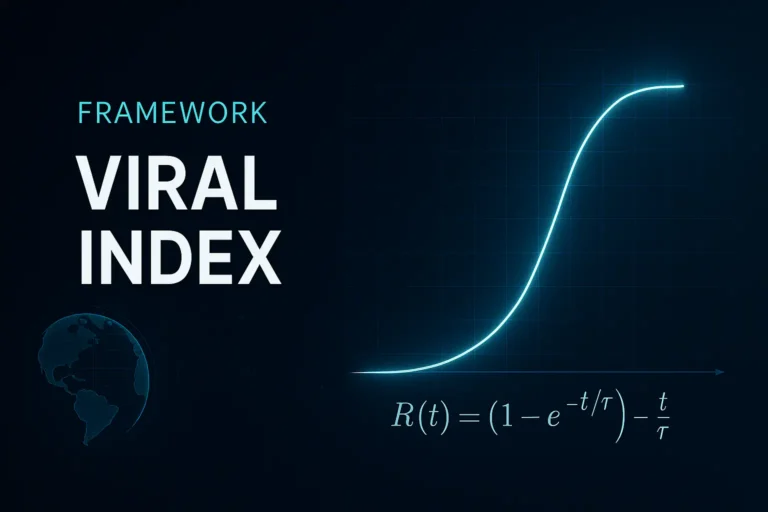
The Algo Effect Virality on social networks is not a random phenomenon, but the result of a complex interaction between algorithmic logic and social practices This study introduces a quantitative framework for analyzing virality on social networks, distinguishing two key forces: linear growth (driven by initial organic exposure) and residual growth (nonlinear algorithmic amplification). Using S-curve logistic…
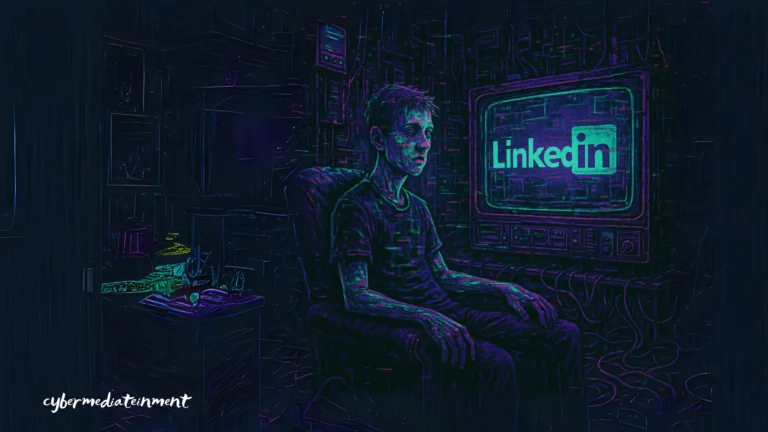
The Toxic Ecosystem of Social Platforms: LinkedIn and the Commodification of the Soul The Farce Becomes the Norm LinkedIn is not just a social platform. It is the collective performance of performative professionalism. Here every gesture is calculated, every word optimized, every “authentic” story cut to fit engagement needs. Authenticity is talked about, but packaged like slide…
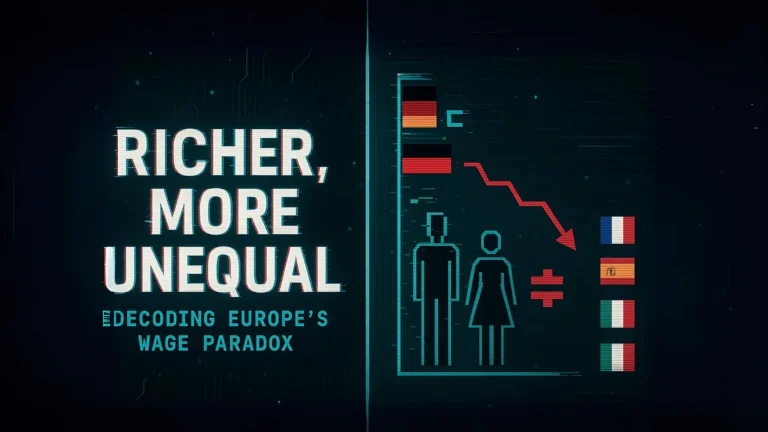
Richer, More Unequal:The Democratic and Wage Paradox in Europe Social Progress: A perspective from Cybermediateinment through the lens of FOLLOW THE ALGORITHM Intro Summary They told you Europe is a model of progress? Look deeper into the algorithm.Behind every narrative of growth, well-being, and equity, there’s a systemic bug few dare to decode: as wealth increases, so…
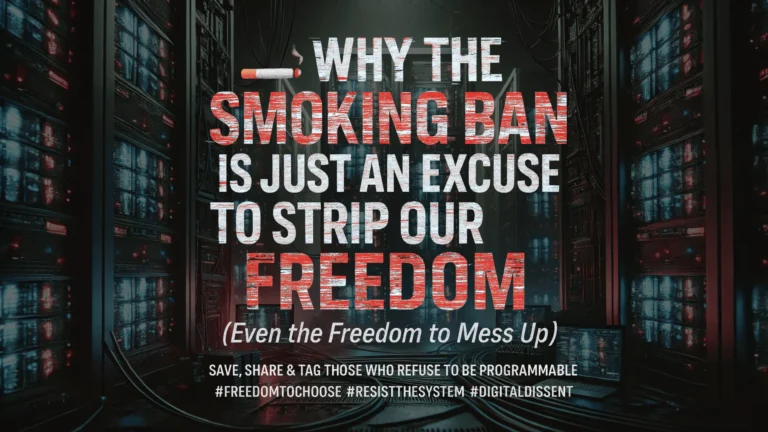
France’s outdoor smoking ban is more than just a health measure, it’s a step toward an algorithmic system sacrificing freedom for efficiency. Discover how seemingly benign regulations mask a silent social control.

Why refuse to change? what means synthetic? It’s woven into the very core of our DNA—this human impulse to detach, to alienate, to conjure up false motivations, or more often, to simply hide from the raw, unsettling truth of our lives. We reject change, alone and together, until death itself becomes the only alternative we’re willing to…

The Tariff War That Rewrote Global Order How Trump’s 2025 trade gambit triggered the fastest geopolitical realignment in a century — and why the Supreme Court might blow it all up. December 2025. The U.S. Supreme Court is preparing to issue a ruling that could wipe out with a single stroke the most aggressive American trade policy…
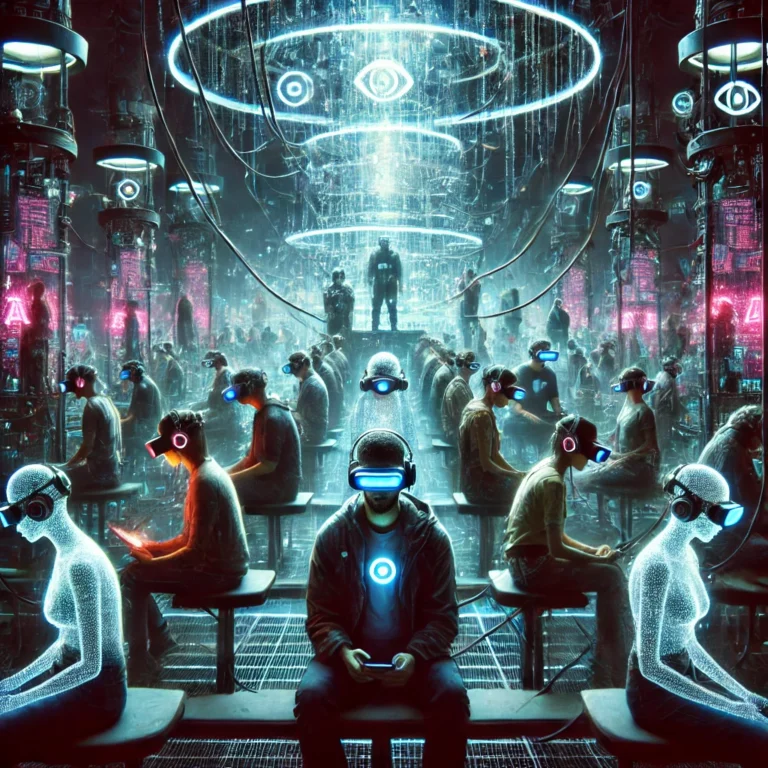
Universe 25: The Mouse Experiment That Exposes Our Society: A lab-made utopia or a social hell? for Sure it’s a warning for humanity Intro: When paradise turns into a trap Imagine a perfect world. No predators. Unlimited food. No disease. Ideal climate. Total comfort. Zero stress. Sounds like paradise. But it ended in blood. Welcome to Universe…

Technocratic Model Algorithms Freedom: from autonomy to optimization in the age of intelligent systems. Algorithms and AI we are entering an era where freedom is no longer framed as individual choice, but as optimized behavior within an intelligent system. The Debate Is Open — On one side, the Western tradition of individual freedom, grounded in dissent, pluralism,…
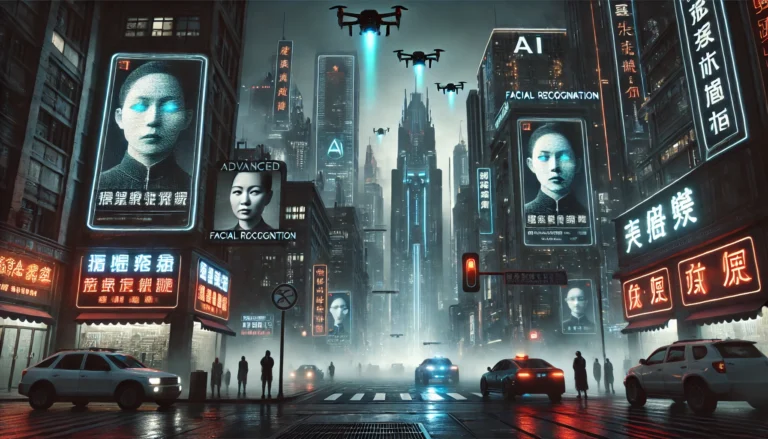
CULTURAL AND ALGORITHM RESISTANCE: WHAT MEANS TO BE FREE? The fire of thought in a digital storm. Moreno Pisto’s 2024 book is a punch, a scream, and a mission. I come home tired, sink into the couch, outside the window the sun is setting. My mind’s foggy—again. It’s been too long since I took a moment for…

Augmented Geopolitics: A Fragmented World DisOrder Welcome to the post-liberal DISORDER. Global power no longer pivots solely on nation-states, grand ideologies, or multilateral treaties. Instead, it disperses across micro-interests, digital blocs, and gray zones where borders are rewritten as lines of geopolitical code. No more stable borders—only patches of code continuously remixing the map. The result is…
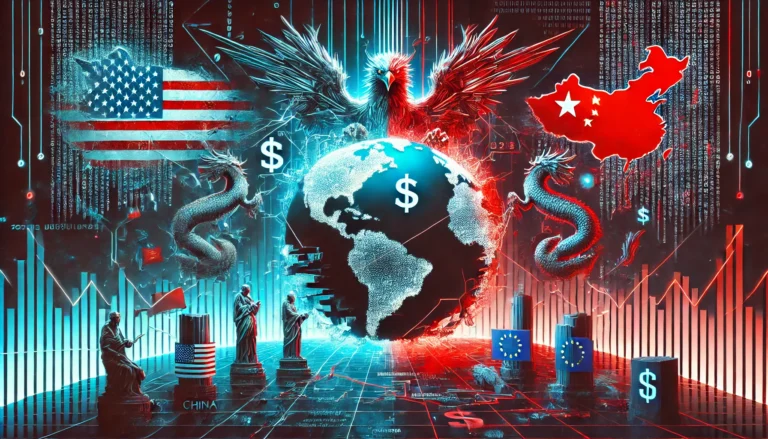
From Sputnik to DeepSeek: China’s Bid for AI Supremacy When Beijing’s “open” AI becomes a geopolitical weapon. We’ve all heard about the top Chinese AI: DeepSeek. First the experts, then the media, and finally the general public turned the spotlight on the new Chinese AI that shook Meta, Microsoft, Google, and even Nvidia — the world’s leading…
We use cookies to improve your experience on our site. By using our site, you consent to cookies.
Websites store cookies to enhance functionality and personalise your experience. You can manage your preferences, but blocking some cookies may impact site performance and services.
Essential cookies enable basic functions and are necessary for the proper function of the website.
You can find more information in our WE RESPECT YOUR DATA: WE DON’T EAT DIGITAL COOKIES! and WE DON’T SAVE YOUR DATA – PRIVACY MATTERS, WE PROTECT DIGITAL IDENTITY.